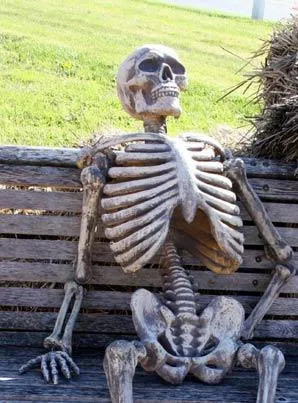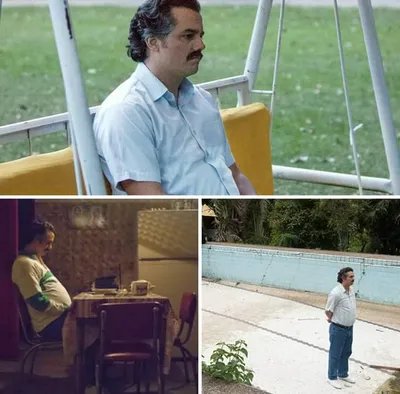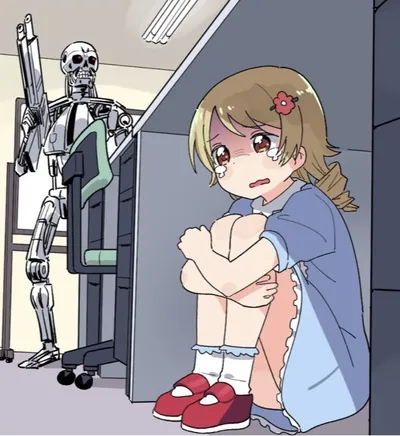
Caption the Crying-boy-on-a-bench Meme Template
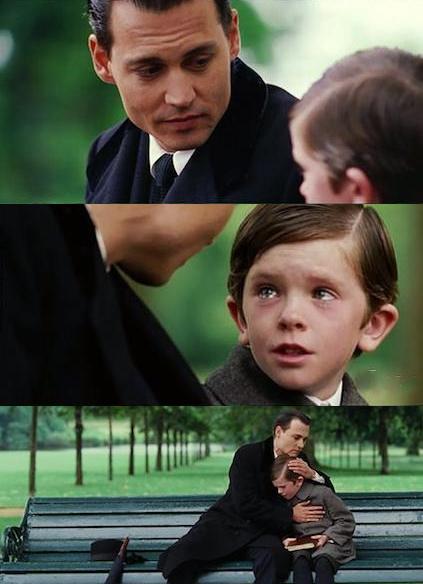
The crying boy on a bench template features a young boy sitting alone on a bench and visibly upset, used to express feelings of being left out, rejected, or deeply disappointed by something trivial or serious alike. Its pathos makes it effective for both genuine expressions of sadness and self-deprecating humor about overreacting.
Caption this template- Category
- Reaction Face Meme Templates
- Size
- 423 x 584 px
- Format
- Image
- Price
- Free, no sign up
Where the Crying-boy-on-a-bench meme comes from
An editorial photograph or stock photo of a child crying on a park bench appears to be the source, circulated online and adopted as a reaction image. Although the exact photographer or original publication context is not clearly documented, the image has been in meme circulation for several years.
How to caption the Crying-boy-on-a-bench meme
Lean into the dramatic effect by captioning the image with whatever small thing triggered a disproportionately large emotional response. The format represents the feeling of being the only person left out of a plan, trend, or group decision. Open it in the meme generator, or read the reaction meme guide for more.
Crying-boy-on-a-bench caption ideas
Need a starting point? Try one of these on the Crying-boy-on-a-bench template, then make it your own in the meme generator.
- When the group made weekend plans in a chat I'm somehow not in
- Me realizing the snack I was saving all day is gone and everyone denies it
- When everyone got the inside joke and I had to laugh like I was there
- Found out my 'we should hang out' friends hung out without me. Again.
- When my favorite show gets canceled on a cliffhanger after one season
Best uses for the Crying-boy-on-a-bench template
Use the Crying-boy-on-a-bench template when the joke fits a reaction face format and the image can explain the feeling before the reader finishes the caption. It is strongest for reaction memes, group chat replies, and quick emotional punchlines.
This blank is 423 x 584 px and is a still image, so place the most important words where they stay readable after a feed crop. The tall frame gives you room for a short setup near the top and a payoff below the main subject.
The sample captions leave room for a setup and a punchline without turning into a paragraph. Before exporting, read the caption once without looking at the image; if it still needs a long explanation, switch to a simpler setup or a more obvious related template.
Caption patterns to try
| Pattern | Why it works |
|---|---|
| When the group made weekend plans in a chat I'm somehow not in | This works because it gives the reader a specific situation instead of a vague label. |
| Me realizing the snack I was saving all day is gone and everyone denies it | This pattern keeps the setup concrete, which helps the template carry the reaction. |
| When everyone got the inside joke and I had to laugh like I was there | This is a useful direction when you want the punchline to feel personal or self-aware. |
Common mistakes with this blank
- Writing a caption that explains the whole joke instead of letting the Crying-boy-on-a-bench image do part of the work.
- Placing text over the most expressive part of the image, especially faces, gestures, signs, or the main action.
- Using three different ideas in one meme. This template works better when it points at one clear situation.
- Exporting before checking the meme at phone size. If the smallest words blur together, shorten the caption first.