Caption the Bart Simpson - chalkboard Meme Template
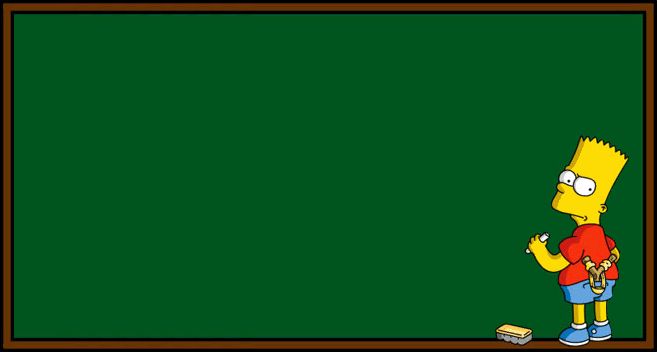
This template reproduces the classic Simpsons opening gag in which Bart writes a punitive sentence repeatedly on a school chalkboard, used to insert any humorous or ironic declaration in the 'I will not...' format. It is a flexible text-based format for confessions, self-corrections, and satirical announcements written as if they were assigned punishments. The recognizable Simpsons aesthetic gives it immediate nostalgic appeal.
Caption this template- Category
- Text and Sign Meme Templates
- Size
- 657 x 352 px
- Format
- Image
- Price
- Free, no sign up
Where the Bart Simpson - chalkboard meme comes from
The chalkboard gag is a recurring opening sequence element of The Simpsons (Fox, 1989-present), created by Matt Groening, in which Bart writes a different sentence each episode as apparent detention punishment. The meme format allows users to fill in their own text and has been a customizable template since the early era of image macro generators.
How to caption the Bart Simpson - chalkboard meme
Write the repeated sentence in the style of a school punishment, starting with 'I will not' or 'I must,' and make it something absurd, self-referential, or satirically specific to your situation. The joke is funnier when the punishment sounds exactly like something a school would never actually assign. Open it in the meme generator, or read the caption card guide for more.
Bart Simpson - chalkboard caption ideas
Need a starting point? Try one of these on the Bart Simpson - chalkboard template, then make it your own in the meme generator.
- I will not say "this could've been an email" during the email meeting
- I will not push to production on a Friday afternoon
- I will not say "I'll start Monday" on a Tuesday
- I will not reply-all to thank the whole company
- I will not open one more browser tab "just for now"
Best uses for the Bart Simpson - chalkboard template
Use the Bart Simpson - chalkboard template when the joke fits a text and sign format and the image can explain the feeling before the reader finishes the caption. It is strongest for labels, announcements, warnings, and quote-style memes.
This blank is 657 x 352 px and is a still image, so place the most important words where they stay readable after a feed crop. The wide frame works best when the caption stays centered so timeline crops do not cut off the joke.
The sample captions leave room for a setup and a punchline without turning into a paragraph. Before exporting, read the caption once without looking at the image; if it still needs a long explanation, switch to a simpler setup or a more obvious related template.
Caption patterns to try
| Pattern | Why it works |
|---|---|
| I will not say "this could've been an email" during the email meeting | This works because it gives the reader a specific situation instead of a vague label. |
| I will not push to production on a Friday afternoon | This pattern keeps the setup concrete, which helps the template carry the reaction. |
| I will not say "I'll start Monday" on a Tuesday | This is a useful direction when you want the punchline to feel personal or self-aware. |
Common mistakes with this blank
- Writing a caption that explains the whole joke instead of letting the Bart Simpson - chalkboard image do part of the work.
- Placing text over the most expressive part of the image, especially faces, gestures, signs, or the main action.
- Using three different ideas in one meme. This template works better when it points at one clear situation.
- Exporting before checking the meme at phone size. If the smallest words blur together, shorten the caption first.