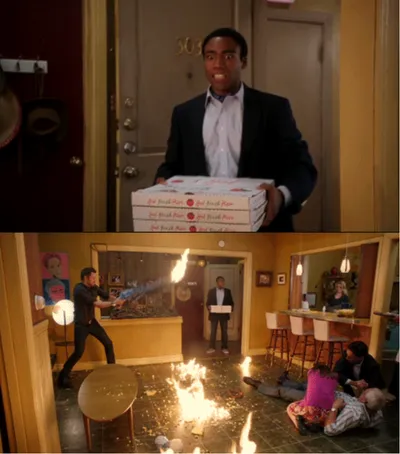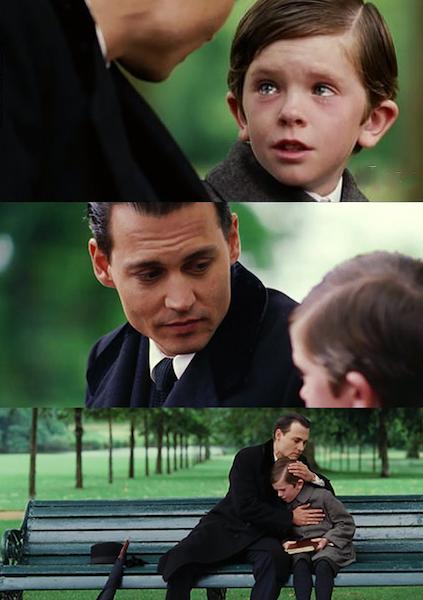
Caption the Finding Neverland Meme Template
Finding Neverland shows a theater audience reaction shot in two panels: the audience laughing and enjoying themselves, then the same audience in tears. It is used to show that something went from delightful to devastating in the span of moments.
Caption this template- Category
- Situation Meme Templates
- Size
- 423 x 600 px
- Format
- Image
- Price
- Free, no sign up
Where the Finding Neverland meme comes from
The images appear to be from the film Finding Neverland or a similar theater-set production, though they have been used generically as an audience reaction template since the early 2010s.
How to caption the Finding Neverland meme
Caption the first panel with what started well and the second with what ended in tears. The format is strongest for things that genuinely begin as fun before the emotional sucker punch arrives. Open it in the meme generator, or read how to make relatable memes for more.
Finding Neverland caption ideas
Need a starting point? Try one of these on the Finding Neverland template, then make it your own in the meme generator.
- Laughing: 'let's look through the old photos!' / Crying: realizing how fast the kids grew up
- Laughing: 'I'll just check one old playlist' / Crying: the song that was playing that summer
- Laughing: 'remember our first apartment?' / Crying: it had so many problems but we were so happy
- Laughing: starting the show everyone said was 'so funny' / Crying: episode six destroyed me
- Laughing: 'let's reread the texts from when we first met' / Crying: we don't talk like that anymore
Best uses for the Finding Neverland template
Use the Finding Neverland template when the joke fits a situation format and the image can explain the feeling before the reader finishes the caption. It is strongest for relatable everyday moments, before-and-after jokes, and social observations.
This blank is 423 x 600 px and is a still image, so place the most important words where they stay readable after a feed crop. The tall frame gives you room for a short setup near the top and a payoff below the main subject.
The sample captions are more detailed, so trim aggressively before posting on small screens. Before exporting, read the caption once without looking at the image; if it still needs a long explanation, switch to a simpler setup or a more obvious related template.
Caption patterns to try
| Pattern | Why it works |
|---|---|
| Laughing: 'let's look through the old photos!' / Crying: realizing how fast the kids grew up | This works because it gives the reader a specific situation instead of a vague label. |
| Laughing: 'I'll just check one old playlist' / Crying: the song that was playing that summer | This pattern keeps the setup concrete, which helps the template carry the reaction. |
| Laughing: 'remember our first apartment?' / Crying: it had so many problems but we were so happy | This is a useful direction when you want the punchline to feel personal or self-aware. |
Common mistakes with this blank
- Writing a caption that explains the whole joke instead of letting the Finding Neverland image do part of the work.
- Placing text over the most expressive part of the image, especially faces, gestures, signs, or the main action.
- Using three different ideas in one meme. This template works better when it points at one clear situation.
- Exporting before checking the meme at phone size. If the smallest words blur together, shorten the caption first.