Caption the I am the one who knocks Meme Template
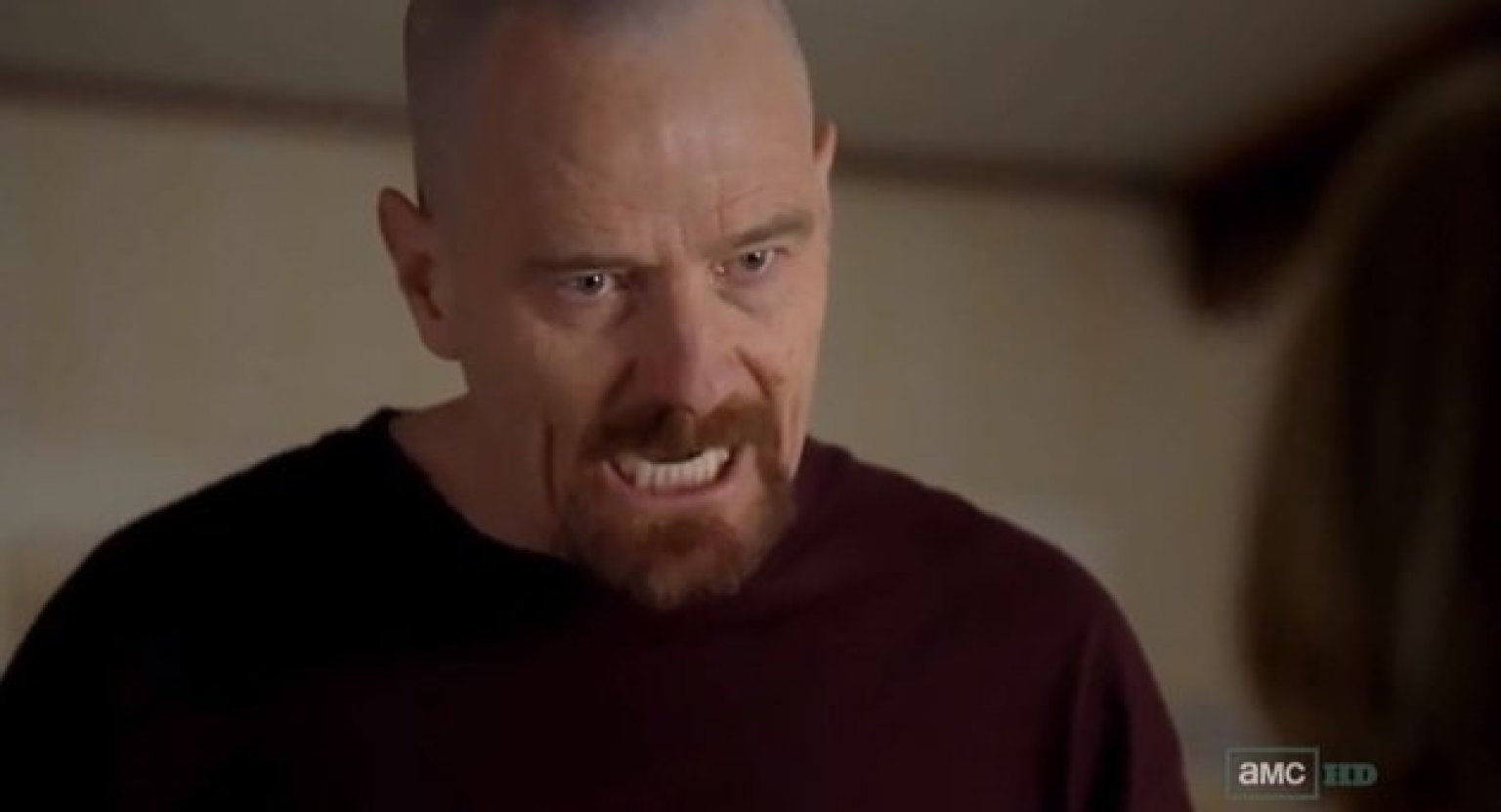
I Am the One Who Knocks references the iconic monologue from Breaking Bad Season 4, Episode 6, 'Cornered' (2011), in which Walter White declares to his wife Skyler that he is not in danger - He IS the danger - And that 'a man opens his door and gets shot and you think that of me? No. I am the one who knocks.' The format is used to represent a dramatic assertion of dominance, power, or threat - Usually applied to ridiculous low-stakes scenarios with the same intensity Walt brings to drug kingpin territory.
Caption this template- Category
- Situation Meme Templates
- Size
- 1536 x 831 px
- Format
- Image
- Price
- Free, no sign up
Where the I am the one who knocks meme comes from
The scene is from Breaking Bad, the AMC drama series created by Vince Gilligan, with Bryan Cranston delivering the speech as Walter White in Season 4, Episode 6, which aired in 2011. The monologue marks a turning point in Walter's transformation from put-upon chemistry teacher to full-blown criminal, and its intense delivery made it one of the most quoted moments in the show's celebrated run.
How to caption the I am the one who knocks meme
Apply Walt's declaration of menace to a completely mundane domain - The office snack fridge, the group chat, the parking lot - To describe yourself as the unexpectedly terrifying force in that small world. Use the full gravity of the monologue's tone to announce dominance over something no one would actually fear. Open it in the meme generator, or read how to make relatable memes for more.
I am the one who knocks caption ideas
Need a starting point? Try one of these on the I am the one who knocks template, then make it your own in the meme generator.
- You think the office fridge is the danger? No. I am the one who labels my lunch.
- You think the deadline is in danger? No, Skyler. I am the one who pushes to main on Friday.
- A man checks the group chat and gets ignored, and you think that of me? No. I am the one who leaves on read.
- You think the thermostat is the threat? No. I am the one who sets it to 68.
- You think the parking lot is dangerous? No, Skyler. I am the one who takes two spots.
Best uses for the I am the one who knocks template
Use the I am the one who knocks template when the joke fits a situation format and the image can explain the feeling before the reader finishes the caption. It is strongest for relatable everyday moments, before-and-after jokes, and social observations.
This blank is 1536 x 831 px and is a still image, so place the most important words where they stay readable after a feed crop. The wide frame works best when the caption stays centered so timeline crops do not cut off the joke.
The sample captions are more detailed, so trim aggressively before posting on small screens. Before exporting, read the caption once without looking at the image; if it still needs a long explanation, switch to a simpler setup or a more obvious related template.
Caption patterns to try
| Pattern | Why it works |
|---|---|
| You think the office fridge is the danger? No. I am the one who labels my lunch. | This works because it gives the reader a specific situation instead of a vague label. |
| You think the deadline is in danger? No, Skyler. I am the one who pushes to main on Friday. | This pattern keeps the setup concrete, which helps the template carry the reaction. |
| A man checks the group chat and gets ignored, and you think that of me? No. I am the one who leaves on read. | This is a useful direction when you want the punchline to feel personal or self-aware. |
Common mistakes with this blank
- Writing a caption that explains the whole joke instead of letting the I am the one who knocks image do part of the work.
- Placing text over the most expressive part of the image, especially faces, gestures, signs, or the main action.
- Using three different ideas in one meme. This template works better when it points at one clear situation.
- Exporting before checking the meme at phone size. If the smallest words blur together, shorten the caption first.