Caption the Lord farquaad Meme Template
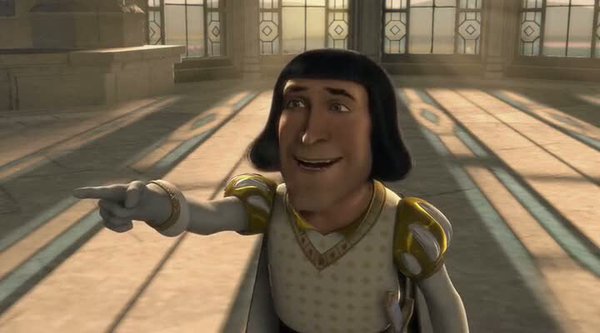
Lord Farquaad is the villain from the original Shrek film, and his image is used in memes to represent petty authoritarianism, insecure overcompensation, and trying to look powerful while clearly not being. The character's notably short stature combined with his grandiose self-importance made him a natural symbol for punchable smugness and absurd overconfidence. Memes featuring him often mock those who demand respect they have not earned.
Caption this template- Category
- Situation Meme Templates
- Size
- 600 x 333 px
- Format
- Image
- Price
- Free, no sign up
Where the Lord farquaad meme comes from
Lord Farquaad, voiced by John Lithgow, is the primary antagonist of Shrek, the 2001 DreamWorks animated film directed by Andrew Adamson and Vicky Jenson. The film was a massive commercial and cultural success that spawned one of the internet's richest meme ecosystems. Farquaad became particularly notable in memes that emerged alongside the broader Shrek meme resurgence in the mid-2010s.
How to caption the Lord farquaad meme
Use an image of Farquaad looking imperious or smug to represent someone imposing arbitrary rules from a position of very limited actual authority (e.g., 'my HOA after adding a third new rule this month'). Also works to represent the internal feeling of being disproportionately smug about a minor personal victory. Open it in the meme generator, or read how to make relatable memes for more.
Lord farquaad caption ideas
Need a starting point? Try one of these on the Lord farquaad template, then make it your own in the meme generator.
- my HOA after adding a third new rule about mailbox height this month
- the one guy in the meeting who reschedules everything but contributes nothing
- me feeling powerful after correcting a stranger's grammar online
- the substitute teacher who takes attendance like it's a hostage negotiation
- my landlord raising the rent the same week the heater broke
Best uses for the Lord farquaad template
Use the Lord farquaad template when the joke fits a situation format and the image can explain the feeling before the reader finishes the caption. It is strongest for relatable everyday moments, before-and-after jokes, and social observations.
This blank is 600 x 333 px and is a still image, so place the most important words where they stay readable after a feed crop. The wide frame works best when the caption stays centered so timeline crops do not cut off the joke.
The sample captions leave room for a setup and a punchline without turning into a paragraph. Before exporting, read the caption once without looking at the image; if it still needs a long explanation, switch to a simpler setup or a more obvious related template.
Caption patterns to try
| Pattern | Why it works |
|---|---|
| my HOA after adding a third new rule about mailbox height this month | This works because it gives the reader a specific situation instead of a vague label. |
| the one guy in the meeting who reschedules everything but contributes nothing | This pattern keeps the setup concrete, which helps the template carry the reaction. |
| me feeling powerful after correcting a stranger's grammar online | This is a useful direction when you want the punchline to feel personal or self-aware. |
Common mistakes with this blank
- Writing a caption that explains the whole joke instead of letting the Lord farquaad image do part of the work.
- Placing text over the most expressive part of the image, especially faces, gestures, signs, or the main action.
- Using three different ideas in one meme. This template works better when it points at one clear situation.
- Exporting before checking the meme at phone size. If the smallest words blur together, shorten the caption first.