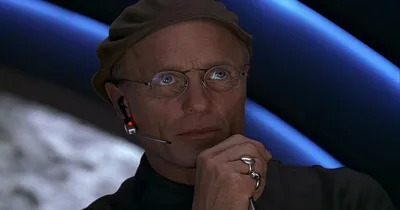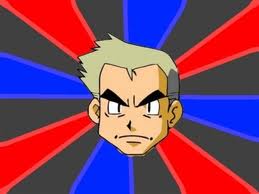
Caption the Professor Oak Meme Template
Professor Oak is a meme format based on the Pokemon character who famously asks the player whether they are a boy or a girl at the start of each game, used humorously to question the gender or identity of objects, concepts, or people in an absurd context. The format has also been extended to mock other unnaturally late or obvious observations Oak makes in the games.
Caption this template- Category
- People and Face Meme Templates
- Size
- 259 x 194 px
- Format
- Image
- Price
- Free, no sign up
Where the Professor Oak meme comes from
Professor Oak appears in Nintendo's Pokemon franchise beginning with the original Red and Blue games released in Japan in 1996 and internationally in 1998. His introductory sequence, in which he forgets his own grandson's name and must ask the player basic questions, became a source of gentle ridicule in the Pokemon fan community.
How to caption the Professor Oak meme
Write a caption in which Professor Oak delivers his famous question at a deeply inappropriate or absurd moment, such as asking 'Are you a boy or a girl?' to something with an obvious answer. Alternatively, have Oak forget the name of something extremely obvious to mock his notorious absentmindedness. Open it in the meme generator, or read how to make relatable memes for more.
Professor Oak caption ideas
Need a starting point? Try one of these on the Professor Oak template, then make it your own in the meme generator.
- Oak: 'Now, is your code a boy or a girl?' / it's a 2,000-line file with no comments, Professor
- Oak: 'Are you a morning person or a night person?' / it's 4am and I'm still debugging, you watched me do it
- Oak: 'Now tell me, is this a want or a need?' / it's the third pair of headphones I've bought this month
- Oak: 'Remind me - What was your name again?' / I have worked in your lab for six years, Professor
- Oak: 'Is the bill split evenly or by item?' / Greg had the lobster and a cocktail, Professor, you know this
Best uses for the Professor Oak template
Use the Professor Oak template when the joke fits a people and face format and the image can explain the feeling before the reader finishes the caption. It is strongest for expressions, awkward moments, and character-driven jokes.
This blank is 259 x 194 px and is a still image, so place the most important words where they stay readable after a feed crop. The wide frame works best when the caption stays centered so timeline crops do not cut off the joke.
The sample captions are more detailed, so trim aggressively before posting on small screens. Before exporting, read the caption once without looking at the image; if it still needs a long explanation, switch to a simpler setup or a more obvious related template.
Caption patterns to try
| Pattern | Why it works |
|---|---|
| Oak: 'Now, is your code a boy or a girl?' / it's a 2,000-line file with no comments, Professor | This works because it gives the reader a specific situation instead of a vague label. |
| Oak: 'Are you a morning person or a night person?' / it's 4am and I'm still debugging, you watched me do it | This pattern keeps the setup concrete, which helps the template carry the reaction. |
| Oak: 'Now tell me, is this a want or a need?' / it's the third pair of headphones I've bought this month | This is a useful direction when you want the punchline to feel personal or self-aware. |
Common mistakes with this blank
- Writing a caption that explains the whole joke instead of letting the Professor Oak image do part of the work.
- Placing text over the most expressive part of the image, especially faces, gestures, signs, or the main action.
- Using three different ideas in one meme. This template works better when it points at one clear situation.
- Exporting before checking the meme at phone size. If the smallest words blur together, shorten the caption first.