Caption the Who Killed Hannibal Meme Template
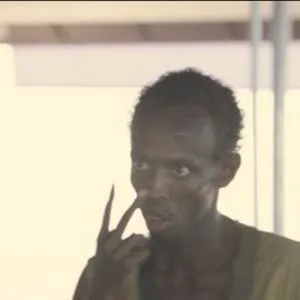
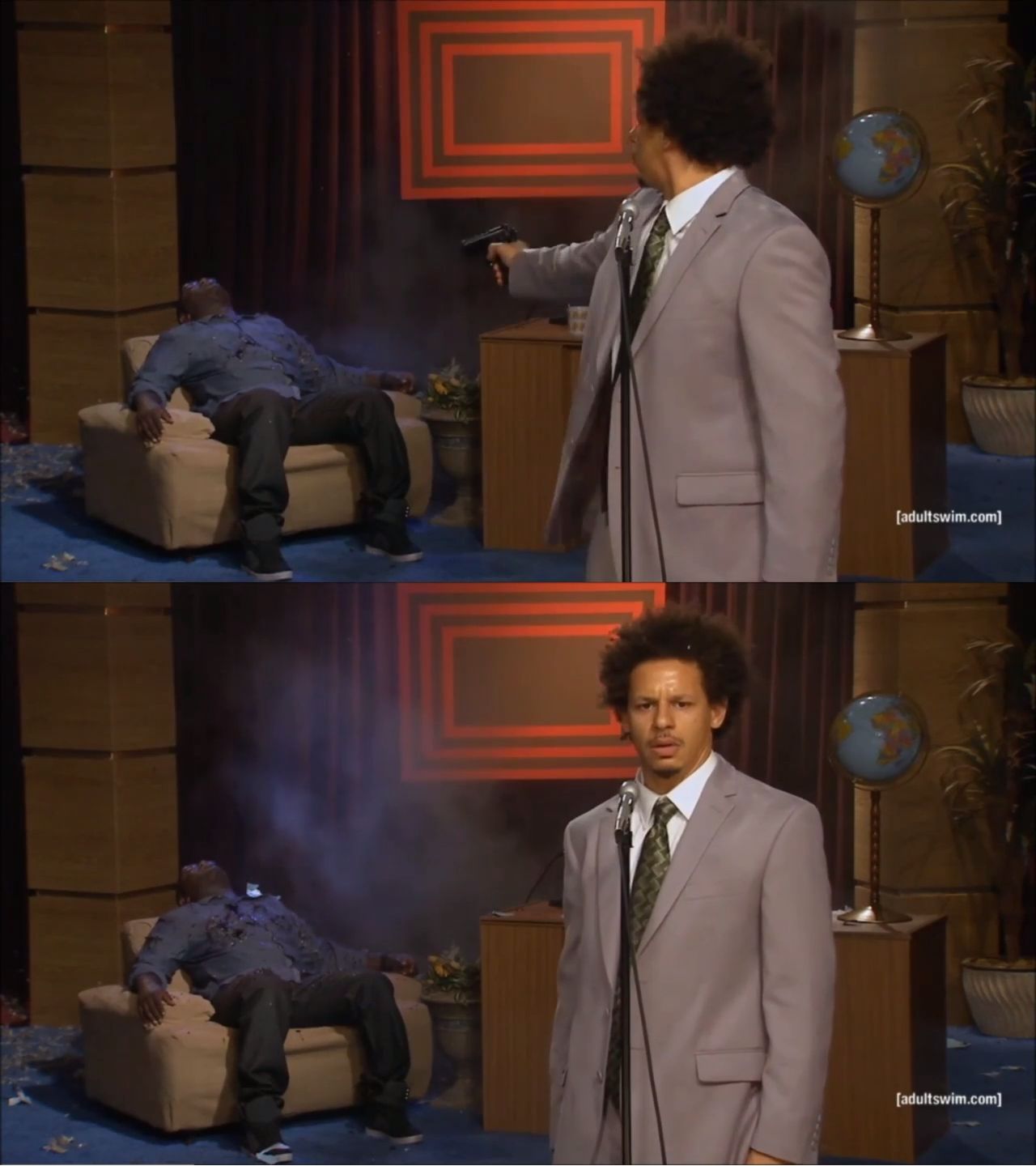
Who Killed Hannibal shows two men arguing over the body of a third, with one accusing the other of the killing. It is used to deflect blame for something you clearly caused by pointing aggressively at someone else.
Caption this template- Category
- Situation Meme Templates
- Size
- 1280 x 1440 px
- Format
- Image
- Price
- Free, no sign up
Where the Who Killed Hannibal meme comes from
Taken from a Dave Chappelle comedy sketch in which a clearly guilty party aggressively blames their partner over a body, the image spread as a meme template for blame deflection and bad-faith accusations around 2020.
How to caption the Who Killed Hannibal meme
Label the accuser as whoever is doing the blaming, the accused as the person being pointed at, and the body as the problem that was clearly caused by the accuser. It works best when the real culprit is obvious to everyone. Open it in the meme generator, or read how to make relatable memes for more.
Who Killed Hannibal caption ideas
Need a starting point? Try one of these on the Who Killed Hannibal template, then make it your own in the meme generator.
- Accuser: me, screaming / Accused: the new intern / Body: the production server I deployed to on a Friday
- Accuser: me / Accused: autocorrect / Body: the text I clearly typed myself
- Accuser: me, pointing / Accused: the recipe blog / Body: the dinner I burned by not reading it
- Accuser: me / Accused: my alarm / Body: the morning meeting I slept through
- Accuser: me / Accused: 'the algorithm' / Body: the three hours I spent scrolling on purpose
Best uses for the Who Killed Hannibal template
Use the Who Killed Hannibal template when the joke fits a situation format and the image can explain the feeling before the reader finishes the caption. It is strongest for relatable everyday moments, before-and-after jokes, and social observations.
This blank is 1280 x 1440 px and is a still image, so place the most important words where they stay readable after a feed crop. The near-square frame is flexible for feeds, group chats, Reddit, and Discord.
The sample captions leave room for a setup and a punchline without turning into a paragraph. Before exporting, read the caption once without looking at the image; if it still needs a long explanation, switch to a simpler setup or a more obvious related template.
Caption patterns to try
| Pattern | Why it works |
|---|---|
| Accuser: me, screaming / Accused: the new intern / Body: the production server I deployed to on a Friday | This works because it gives the reader a specific situation instead of a vague label. |
| Accuser: me / Accused: autocorrect / Body: the text I clearly typed myself | This pattern keeps the setup concrete, which helps the template carry the reaction. |
| Accuser: me, pointing / Accused: the recipe blog / Body: the dinner I burned by not reading it | This is a useful direction when you want the punchline to feel personal or self-aware. |
Common mistakes with this blank
- Writing a caption that explains the whole joke instead of letting the Who Killed Hannibal image do part of the work.
- Placing text over the most expressive part of the image, especially faces, gestures, signs, or the main action.
- Using three different ideas in one meme. This template works better when it points at one clear situation.
- Exporting before checking the meme at phone size. If the smallest words blur together, shorten the caption first.