
Crediting a Quote Correctly on an Image
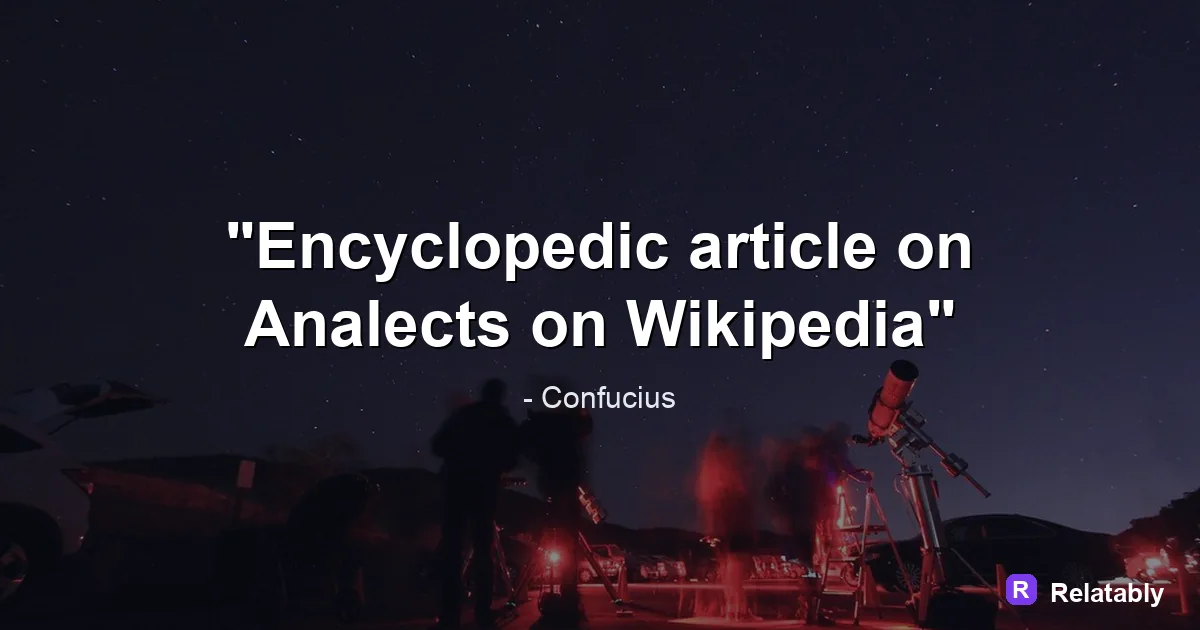
How to give credit cleanly and what to do when the source is unknown.
On this page
To credit a quote, place the speaker or author's name right below the quote, usually after a short dash. If you know the source, like a book or speech, you can add it in smaller text so readers can trace where the words came from.
Why a name belongs under every quote
A quote without a name feels unfinished. Readers want to know who said it, and skipping the credit can make the words look like you made them up. Adding the source builds trust and shows you did your homework.
Crediting also protects you. When you name the speaker, you make it clear you are sharing someone else's idea, not claiming it as your own.
There is a kindness to it too. A credit gives the person who said the words their due. It treats the quote as borrowed, which is what it is, and it lets readers go and find more from that same voice if the line speaks to them.
Where to place the attribution line
The name almost always sits below the quote, set apart by a dash or a smaller font. This keeps the quote as the star while the credit plays a quiet supporting role.
On a quote image, put the words in the center and the name a step lower in smaller text. The gap between the two tells the eye where the quote ends and the credit begins.
In a written post or a caption, the same idea applies. Drop the name onto its own line after the quote rather than tucking it into the sentence. A clean break makes the credit easy to spot and easy to read.
- Place the name below the quote, not above
- Use a dash, an em mark, or a long line before the name
- Make the credit smaller than the quote
- Keep the credit on its own line
- Add the source title below the name if you have it
Formatting names, books, and speeches
Different sources are written in different ways. A person's name stands alone, but a book or movie title is often shown in italics. A line from a speech can name the event and year.
The table below shows clean ways to write each kind of source so your credit looks tidy and clear.
Pick one style and stick with it across your posts. When every credit follows the same pattern, your work looks careful and your readers learn what to expect from you.
| Source type | How to write it |
|---|---|
| A known person | Name on its own line |
| A book | Author name, then the title in italics |
| A speech | Speaker name, event, and year |
| Unknown origin | Mark it as author unknown |
What to do when the source is unknown
Sometimes a quote floats around the internet with no clear author. Do not guess and slap a famous name on it, because wrong credits spread fast and are hard to undo.
If you cannot confirm who said it, write that the source is unknown or unverified. Honesty here looks more careful than a confident but false name.
A famous name attached to a quote is a red flag worth checking. Many lines get pinned to well known people simply because the words sound like something they might say. Sounding right is not the same as being right. When the trail runs cold, say so plainly.
- Search for the earliest printed use you can find
- Check more than one source before trusting a name
- Write author unknown when you are not sure
- Avoid attributing words to a famous person by habit
How accurate credits build reader trust
People notice when a quote is credited well. A correct, clear source makes your post look reliable, while a missing or wrong name makes readers doubt the rest of your work.
The chart shows how different credit choices tend to affect how much readers trust a quote post.
Reader trust by credit style (relative score)
Crediting a quote on a finished image
On a design, the credit should match the mood of the quote. A small, plain font under the words works for almost any style and keeps the focus on the message.
You can build the whole layout, including the credit line, in the Quote Maker. Add the quote, drop the name below it, and set the credit a size or two smaller so it reads as a signature, not a headline.
Give the credit a touch of breathing room above it so it does not crowd the quote. A small gap and a lighter weight let the name sit quietly in place while the words above stay the clear focus of the design.
To go deeper, read write your own quote, short quotes for images, make a quote image, and motivational quote images.
Make the advice practical in the Quote Maker
The fastest way to use this guide is to turn each design choice into a visible editor setting.
| Decision | Recommendation |
|---|---|
| Line choice | Use the quote library or paste a short line of your own. |
| Visual choice | Choose a calm background, then adjust contrast before changing fonts. |
| Export choice | Select the final platform size before downloading the image. |
- Use fewer words when the canvas is small.
- Check the design at phone size before exporting.
- Keep the author or source line visually secondary to the quote.