
Short Quotes That Work Well on Images
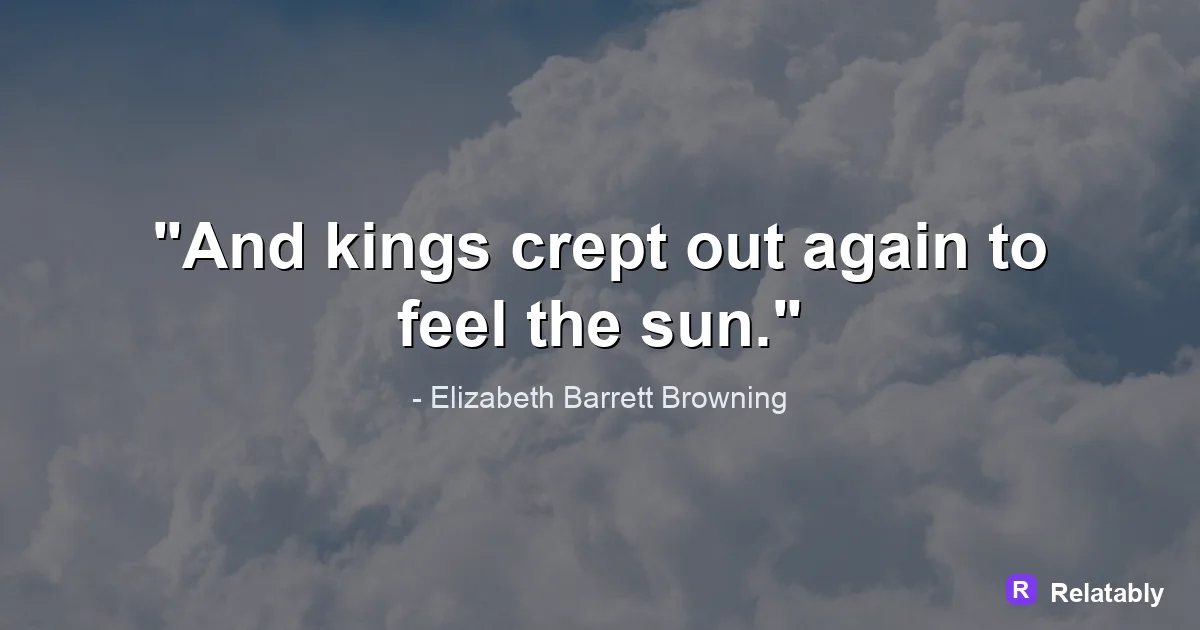
Why short quotes win on images and how to shorten a long one.
On this page
Short quotes work best on images because they read in a single glance. Aim for a handful of words, lead with the strongest one, and let the design stay simple so the line carries the post.
Why fewer words travel further
On a fast feed, a viewer gives your image only a fraction of a second. A short line wins that moment because it fits comfortably inside one look.
Long quotes force the reader to stop scrolling and work to read every word. Most people will not, so they scroll right past. Brevity is what gets a quote read at all on a busy feed.
Short lines are also far easier to share and remember. A person can repeat six words from memory, but almost never a long paragraph, and memory is what keeps a quote alive.
The word count that reads in one glance
There is a practical ceiling for a glanceable quote. Past it, the eye has to slow down and the impact drops sharply.
For most image posts, keep the line under about nine words. Within that range a reader takes in the whole thought at once.
The chart shows roughly how readability falls as a line grows longer. Use it as a reminder to keep trimming.
Glance readability by word count
Trimming a long line into a short one
Many strong short quotes start out long. The skill is cutting them down without losing the point that made them worth writing.
Drop the setup and keep the payoff. The first half of a sentence is often just the wind-up before the part that matters.
A wordy line like At the end of the day what really counts is showing up becomes Showing up counts. The short version is the one people will repeat.
- Cut the wind-up phrase at the start
- Keep only the core idea
- Remove filler words like very and just
- End on a strong, concrete word
Short quotes for different moods
A short line can carry calm, drive, or warmth depending on its words. Choosing the mood first makes the writing go much faster.
Here are original example lines you can adapt, sorted by the feeling they give the reader. Notice how few words each one needs.
Pick the mood that matches the image and the moment, then shape your own line in that direction.
| Mood | Example line |
|---|---|
| Calm | Rest is part of the work |
| Driven | Begin before you feel ready |
| Warm | You are doing fine |
| Bold | Outgrow your old limits |
Sizing short text to fill the frame
A short quote leaves lots of empty space, and that is a gift, not a problem. You can set the type large so the few words command the whole image.
Let the line stretch across most of the width with even margins on each side. Big, confident type makes a short quote feel like a statement.
Avoid the temptation to fill the gaps with extra graphics. The empty space is doing useful work by keeping the focus on the words.
When a short line is too short to land
Brevity has a floor. A line of one or two words can read as blunt or empty rather than punchy, leaving the reader with nothing to hold onto.
If a line feels thin, add one small image or a single contrast to give it weight. The goal is the fewest words that still carry a full thought, not the fewest words possible.
Test the line on a friend. If their reaction is and? the line needs one more idea. If they pause and nod, it is doing its job.
- One or two words can read as empty
- Add a contrast to give a tiny line weight
- Aim for the fewest words with a full thought
- Watch for a flat reaction when you test it
Placing a short line on a clean stage
Short quotes pair best with simple backgrounds. A plain color or a softly blurred photo keeps all the focus on the words instead of the scenery.
Center the line, give it room to breathe, and stop there. Resist the urge to add more once the line already reads well on its own.
In the Quote Maker you can size a few words to fill the frame and export the finished post in seconds.
To go deeper, read how to write your own quote, how to credit a quote, make a quote image, and how to make a bible verse image.
Background and quote-library pairing
Short quotes can handle more space and a stronger focal point because the text block is smaller.
| Decision | Recommendation |
|---|---|
| Background categories | Calm, Flowers, Night |
| Quote-library move | Search by mood first, then adjust font and spacing around the selected line. |
| Readability check | Add a darken layer or switch text color before changing the quote itself. |
- Pick the quote before the background if the wording is the hero.
- Pick the background first if the mood or platform is already fixed.
- Keep attribution smaller than the quote but large enough to read.