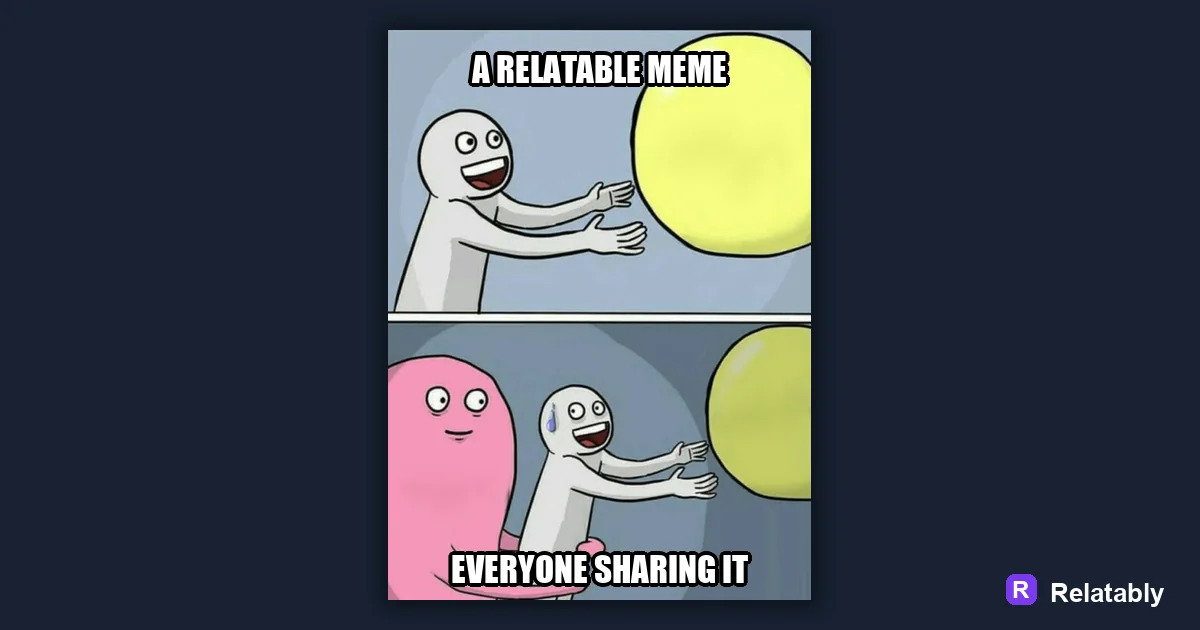
Memes go viral when they are instantly understood, easy to share, and feel like they speak for the person sharing them. Speed, relatability, and a clear emotion matter more than polish.
The two second test every viral meme passes
People scroll fast, so a meme has about two seconds to land. The viral ones are understood in a single glance, with no need to reread. If a viewer has to stop and think, the moment is gone and they keep scrolling.
This is why simple beats clever. A fast read spreads further than a smart joke that takes effort to unpack. The best test is to glance at your meme, then look away. If you got the joke in that glance, your audience will too. If you had to study it, most people will scroll right past before the punchline ever lands.
Why people share what feels like them
A share is a tiny act of self expression. When someone sends a meme, they are saying this is so me or this is exactly us. The meme becomes a way to talk about themselves without writing anything.
That is why the most shared memes feel personal to thousands of people at once. They put a common feeling into a picture, so sharing it feels like sharing a piece of yourself.
Aim for the feeling almost everyone has but rarely says out loud. The quiet worry, the small habit, the tired thought at the end of a long day. When a meme names that hidden feeling, people rush to send it because it finally puts words to something they recognize in themselves.
The emotions that drive the most shares
Not all feelings spread equally. Memes that spark a strong, quick emotion get passed along far more than neutral ones. The chart shows which emotions tend to push people to share.
Sharing power by emotion
Recognition94
Surprise82
Amusement78
Mild outrage66
Nostalgia58
How timing turns a good meme into a wave
A meme tied to a fresh moment travels faster because it is already on everyone's mind. A reference to last week is dead. A reference to right now feels alive and shareable.
Timing also explains why the same joke can flop one day and explode the next. The audience has to be thinking about the topic for the meme to catch. Watch what people are already talking about, then post while the conversation is hot. A meme that arrives in the middle of a shared moment rides a wave that a perfectly written but late meme never gets to catch.
What separates a meme that spreads from one that stalls
Two memes can have the same idea and very different results. The table below compares the traits that push a meme outward against the ones that hold it back. Aim for the left column every time. Most stalled memes are not bad jokes, they just carry one small drag, like text that is too small or a reference only a few people understand. Fix the drag and the same idea can suddenly move.
Spreads
Stalls
Understood in one glance
Needs a second read
Feels personal to many
Feels like an inside joke
Tied to a current moment
References stale topics
Clean, readable text
Cluttered or tiny text
Stacking the odds before you post
You cannot force a meme viral, but you can remove the things that block it. Make it readable, keep the joke simple, tie it to something people feel right now, and post where your audience already gathers. Each fix raises your odds.
When the idea is ready, build it cleanly in the Meme Generator so nothing about the format slows the read. A clean meme gives a good joke its best chance to travel.
Do not measure one meme by whether it goes viral. Most will not, and that is normal even for popular accounts. Post often, watch which ones get shared, and learn from the pattern. Over time you build a feel for what your audience passes along, and that instinct beats chasing any single big hit.
It is understood instantly, feels personal to many people, and sparks a quick emotion. Memes that pass the two second test and tie to a current moment spread the furthest.
Why do people share certain memes?
Sharing a meme is a form of self expression. When it captures a feeling someone has, sending it lets them say this is so me without writing anything themselves.
Does timing affect whether a meme spreads?
Yes. A meme tied to something people are thinking about right now travels faster. The same joke can flop one week and explode the next based on what is current.
Can I make a meme go viral on purpose?
You cannot guarantee it, but you can raise the odds. Keep it readable and simple, tie it to a current feeling, and post where your audience already is.